


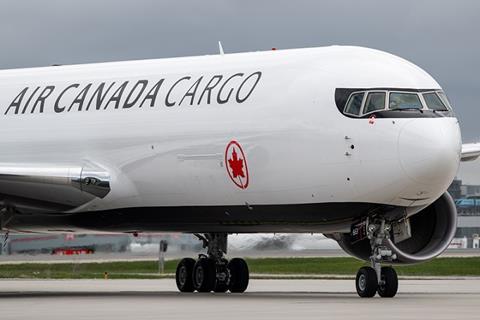
Air Canada said it would gradually restart its operations today after a strike, which put around 75% or more of air cargo volumes at risk of disruption and delays, was brought to an end.
The airline's operations have been grounded since 16 August, but in a press release this morning Air Canada said it would restart operations after reaching a mediated agreement with the Canadian Union of Public Employees (CUPE), which represents 10,000 flight attendants at Air Canada and Air Canada Rouge.
Mediation discussions were begun on the basis that the union commit to have the airline’s 10,000 flight attendants immediately return to work, said Air Canada in a press release.
The airline did not comment specifically on plans to reinstate cargo operations or how delayed cargo shipments would be managed, however, Michael Rousseau, president and chief executive of Air Canada, said that it may take more than a week for operations to return to normal.
Air Cargo News has requested more information on the impact to cargo operations.
Rousseau said: “The suspension of our service is extremely difficult for our customers. We deeply regret and apologise for the impact on them of this labour disruption. Our priority now is to get them moving as quickly as possible.
"Restarting a major carrier like Air Canada is a complex undertaking. Full restoration may require a week or more, so we ask for our customers’ patience and understanding over the coming days. I assure them that everyone at Air Canada is doing everything possible to enable them to travel soon."
The first flights are scheduled for the evening of 19 August, but the airline’s return to full, regular service may take seven to ten days as aircraft and crew are out of position.
During this process, some flights will be cancelled over the next seven to ten days until the schedule is stabilised, stated Air Canada.
During any ratification or under the binding arbitration process, a strike or lockout is not possible.
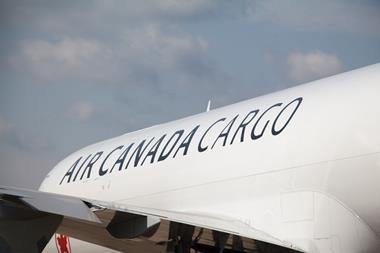
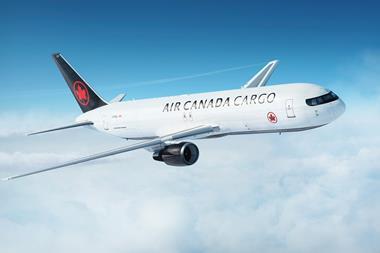
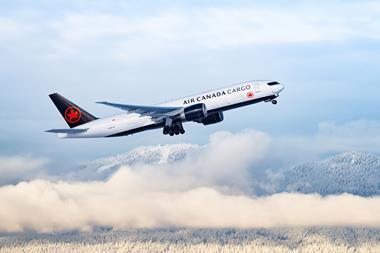
Air Canada Cargo previously put a modified freighter schedule in place to protect up to 25% of volumes, meaning 75% or more of cargo volumes were at risk of disruption and delays.
The business also temporarily put new bookings for speciality commodities on hold and stated that any existing bookings may be delayed or cancelled.
According to data from Planespotters, Air Canada has six 767-300 passenger to freighter (P2F) aircraft in addition to 200 passenger aircraft.