



Broker handled 90,000 tons of freight across 2,323 airports as lower aircraft rates helped widen customer base following post-pandemic highs

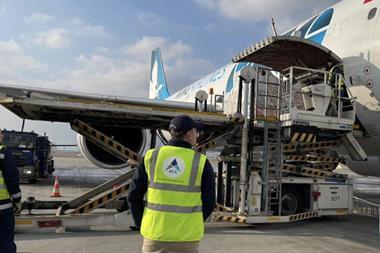
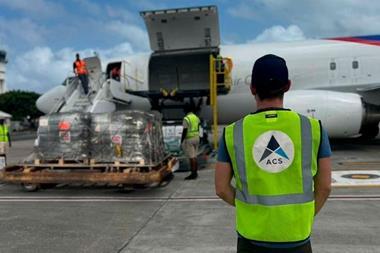
Air Charter Service (ACS) reported a record number of charter flights last year, with its cargo business playing a key role in achieving the milestone.
The broker registered 35,467 charter flights last year and also achieved several other records. In 2024, the company arranged 30,290 flights.
ACS chief executive Justin Bowman said: “Last year we arranged over 35,000 flights, more than ever before, but many other records got broken along with that. For instance, ACS-chartered aircraft flew into, or out of, 2,323 IATA or ICAO recognised airports last year, along with hundreds more non-designated airfields, such as dirt runways, ice runways, helipads and even water landings.
"These airports spanned 206 separate countries – to put the number into perspective, American Airlines operates to 350 destinations in 63 countries, which is more than any other international airline.
"Our charters were on aircraft ranging from helicopters, all the way up to Airbus A380s and the huge Antonov 124 cargo aircraft – with a total of 4,718 separate aircraft and 389 different types in 2025."
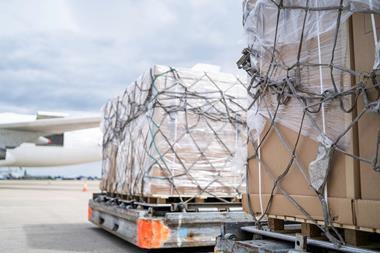
The company transported almost 90,000 tons of freight, with an average of just over 20 tons per flight.
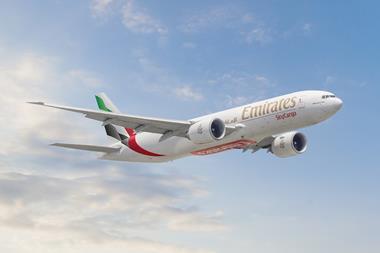
The Boeing B747-400F was the most popular cargo aircraft, with more than 350 operations carried out, some with payloads of over 100 tons.
The record charter numbers come on the back of office expansion. The company reached a total of 40 offices in 20 countries last year - its latest being in Saudi Arabia.
In a recent interview with Air Cargo News, ACS group cargo director Dan Morgan-Evans said that the year had been marked by peaks and troughs.
“The tariffs have influenced quite a few peaks and troughs,” he said. “There have been sudden surges in demand and higher prices and then suddenly the market goes a bit quieter again.”
He said the peak season had been busy but more manageable than in recent years when demand took off, fuelled by e-commerce.
Morgan-Evans added that another development last year was the fall in the price of chartering aircraft from the post-pandemic highs of the last five years.
He said that the lower rates helped some sectors return to the air charter market, having previously been priced out.
“[The lower aircraft rates] have given us opportunities in the market,” he said. “There are always opportunities in the charter market, you just have to be flexible and be able to pivot to capitalise on them when they come up.”
He explained further that when there is low availability of aircraft, it creates opportunities for brokers that are able to secure capacity, while when more aircraft are available, airlines are more flexible around pricing, which opens up a wider customer base.