



Aviation analytics firm Cirium said the conversion market remains the dominant air cargo capacity supplier despite post-pandemic activity decline.
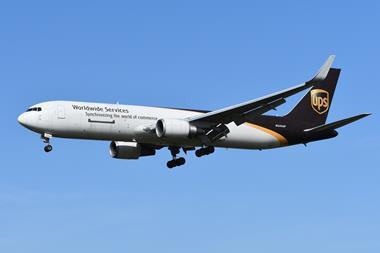
Almost 3,300 freighter aircraft will be added to the air cargo market over the next 20 years, according to the 2025-2044 Cirium Fleet Forecast.
The freighter fleet is predicted to grow at a Compound Annual Growth Rate (CAGR) of 2.5% to some 4,100 by 2044.
Freight capacity (available tonne kilometres or ATKs) is forecast to grow at 3.5% annually, slightly reduced from Cirium's 2024 forecast, as global trade flows are impacted in the short term by new tariff regimes.
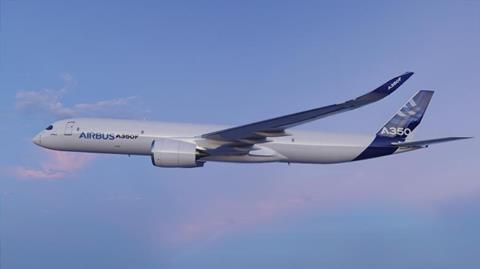
Of the approximately 3,300 freighters, 32% will be newbuild aircraft, led by the new generation Airbus A350F and the Boeing 777-8F, said the aviation analytics company.
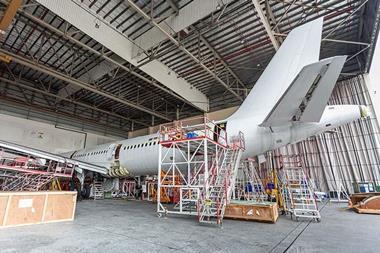
The conversion market, which experienced a post-pandemic boom, has seen a significant drop in activity in the past two years and is returning to the longer-term trend, noted Cirium.
Aviation advisory firm IBA said earlier this year that conversion numbers are expected to fall again this year fuelled by overcapacity in the narrowbody market, feedstock limitations and weaker demand levels.
However, Cirium stressed that the conversion market will, nonetheless, supply some two-thirds of freighter units over the 20 years.
There is increasing pressure to transition to more fuel-efficient and environmentally compliant aircraft, replacing the less-efficient older generation. However, with freighters having longer useful economic lives, only around 68% of the current fleet will be retired, said Cirium.
Cirium's Fleet Forecast for 2023-2042 predicted that the global freighter fleet would grow by 2.6% annually and 3,590 freighter aircraft would be supplied over the next 20 years.