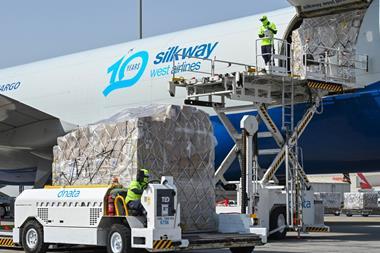



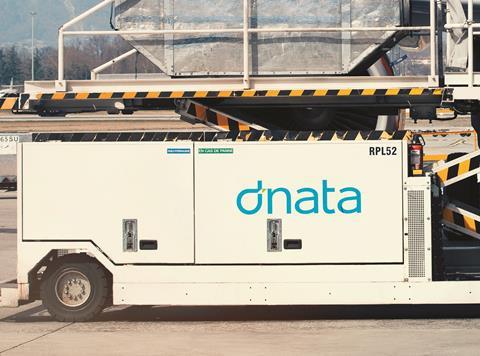
Cargo handler dnata has cleared the backlog of cargo it faced as a result of teething problems at its new Schiphol Airport facility.
In an update, dnata said that during the transition to its new facility it encountered operational challenges that had caused service disruptions.
The company added: ”We are now pleased to confirm that the resulting cargo backlog has been cleared, and customers have been advised that shipments are ready for collection. We are also seeing improvements in our import and export processing times, as well as truck dwell times.”
Dnata said that it would continue to work closely with its partners to complete the transition and bring the new facility to full operational capacity as quickly and efficiently as possible.
“We are enhancing systems and processes and deploying additional staff from our international network to support stabilisation and performance,” dnata added. ”We do appreciate the support and patience of our customers and the wider cargo community, and sincerely apologise for any inconvenience caused.
”We remain confident the new facility will soon operate at full potential as one of the most advanced cargo hubs in the region.”
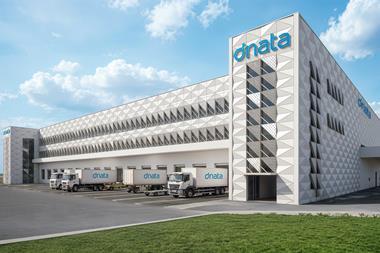
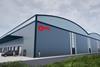
The handler moved to its new dnata Cargo City Amsterdam facility at the start of July and faced problems with data across various systems, which were subsequently cleansed.
To help ease the congestion, some cargo operations were temporarily moved to other handling facilities.
When fully operational, the new state-of-the-art facility will be able to process more than 850,000 tonnes of cargo a year and is equipped with automated storage and retrieval systems (ASRS) and automated guided vehicles (AGVs) for flexible, scalable ULD movements within the terminal.
It also offers full air waybill (AWB) control across the facility. Operations will be centrally managed through dnata’s Cargo Control Centre, with live process visibility for real-time coordination.
Smart gates will automatically record the volume and weight of all incoming consignments using 3D scanning and a fork-lift guidance system is expected to support the optimised movement of cargo within the warehouse.