


;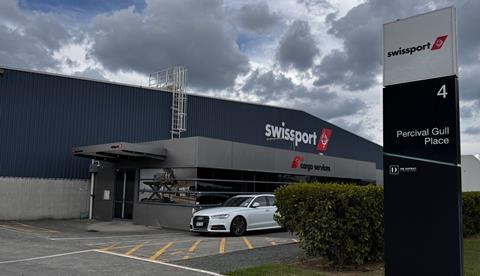
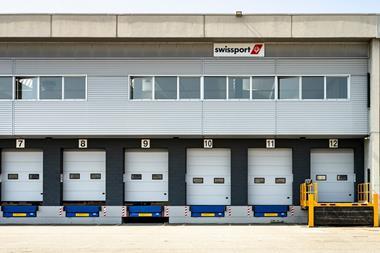
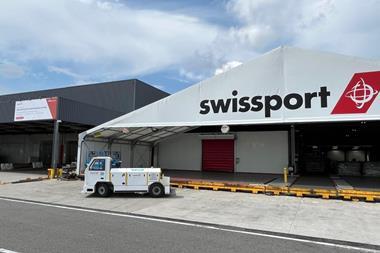
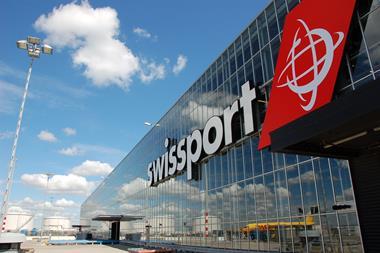
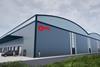
Swissport has commenced operations at its Auckland Cargo Centre, strengthening its air cargo footprint across New Zealand and the wider Asia-Pacific region.
The facility, which Swissport has been preparing to open for the last six months and which was initially due to open in March, is the first cargo terminal in Auckland with direct access to the airfield, enabling faster and more efficient cargo transfers, said the ground handler.
Featuring direct airside access via Checkpoint Delta, the new facility has 8,500 sq m of handling space, including weather-protected receipt and dispatch areas.
The facility is also equipped with Auckland Airport’s largest X-ray machine and the latest cargo screening technology to support secure and efficient cargo throughput.
Further, the terminal includes large-scale cold storage areas, with capacity for both palletised and ULD shipments of perishable goods, including pharmaceuticals, seafood, fresh produce and meat – supporting New Zealand’s export market.
The site is licenced as a Customs Controlled Area and authorised under New Zealand’s Ministry for Primary Industries (MPI) as a Transitional Facility, enabling the secure handling, inspection and processing of import and export cargo.
An array of 46 CCTV cameras also enables continuous surveillance and provide customers with real-time visibility over their cargo.
Joel Greig, Swissport general manager of cargo operations in New Zealand and Australia, said: “We are proud to bring Swissport’s global expertise to Auckland and look forward to building strong partnerships with our airline and freight forwarding customers.”
He added: “Our focus is on adaptability, collaboration, and delivering tangible benefits to customers – whether through faster turnaround times, enhanced transparency, or greater reliability.
“We’re here to raise the standard for air cargo handling in New Zealand.”
The new facility joins a network of air cargo operations at seven major international airports across South Korea, Japan and Australia.
Swisssport said the new centre will support global air cargo demand driven by economies in South Asia, China, Southeast Asia, and Africa, as well as the expansion of e-commerce and express networks.