
The cargo division is investing in cool-chain capacity and digital monitoring systems at its European hubs as the pharma market approaches a $1.8trn valuation
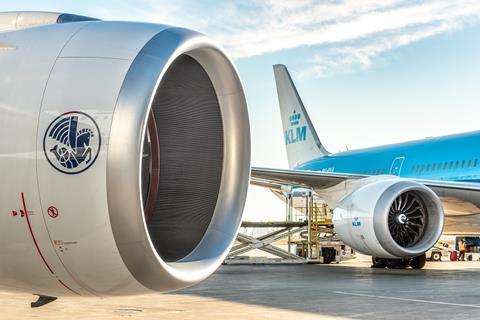
Air France KLM Martinair Cargo (AFKLMP) is investing in its pharma product offering as it looks to capitalise on growing demand for more specialised healthcare services.
The cargo division pointed to statistics showing that the pharma and healthcare sector is expanding at a mid-single-digit percentage rate and is projected to reach a value of $1.8trn this year.
The growth of the market is expected to be driven by biologics, personalised medicine and digital health, as well as by expanding global patient access.
Meanwhile, the pharma airfreight sector is expected to increase by around 6% annually over the coming years, led by temperature-controlled and high-value shipments.
Manufacturers will prioritise ”speed, reliability, and compliance with Good Distribution Practice (GDP) standards”, AFKLMP said in a press release.
“Air cargo carriers and airports are investing heavily in cold-chain infrastructure, IoT tracking, and digital visibility tools to serve this expanding vertical,” it added.
The group pointed out that it was one of the first airlines to achieve the IATA CEIV standard and its dual-hubs of Schiphol and Paris CSG are located in Europe’s “pharma belt”.
In 2024, the Netherlands exported $38.5bn worth of pharmaceutical products, it said.
To capitalise on the growth, AFKLMP is making further investments in its cool chain infrastructure by expanding cool-room capacity, developing digital monitoring dashboards for operational visibility, and utilising sustainable temperature-control solutions, such as CO₂-based refrigerant technology at Paris CDG.
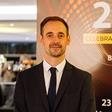
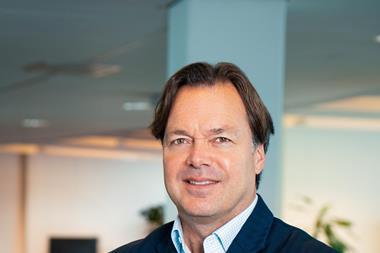
"Growth in the pharmaceutical and healthcare segment has been a strategic priority over the past five years,” said GertJan Roelands, senior vice president commercial, AFKLMP Cargo.
“We have invested significantly in our infrastructure at both hubs and key outstations, introduced new digital solutions, and optimised processes to enhance resilience and transport quality.
"In addition, we have trained and expanded our specialised pharma teams. These efforts are paying off—this year, our results in the pharmaceutical and healthcare segment reached a new record, and our market share has increased.”