


With £95.6bn of UK economic output dependent on airfreight exports, Logistics UK calls for cargo capacity to be embedded in major airport expansion projects

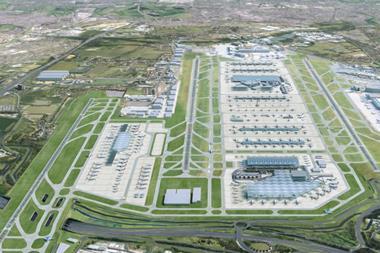
The government’s recent decision to approve plans for a second runway at Gatwick Airport comes only months after confirmation of expansion plans at Luton Airport and the green light for a third runway at Heathrow.
Taken together, these announcements represent an ambitious round of airport expansion in the UK. The government needs to seize the opportunity and invest in airfreight to maximise the opportunity that the sector provides to drive growth across the economy.
UK airports already handle 2.6m tonnes of freight every year, and £95.6bn of Gross Value Added across all sectors of the UK economy is currently dependent on airfreight exports.
With the government demanding growth from all areas of the economy, these expansion projects cannot focus solely on passenger services and we believe it is imperative that the successful schemes recognise the importance of airfreight.
Industry leaders have long pressed government to back nationally significant infrastructure development projects, particularly the Heathrow third runway.
Now that approvals are in place, the challenge for government and industry is to move quickly and get spades into the ground fast.
Delays risk undermining both competitiveness and investor confidence. Heathrow remains the UK’s most important port by value, and as a global hub, it provides unparalleled access for British businesses to international markets.
Any final scheme must therefore ensure that cargo development is embedded from the start, smoothing both imports and exports and giving manufacturers, retailers and high-tech firms the connectivity they need to grow trade.
Formal proposals for Heathrow’s third runway have now been submitted by two separate groups, and it is essential that the successful scheme demonstrates how it will unlock the full potential of airfreight.
For the South East, and the UK as a whole, additional runway space is essential to relieve pressure across the network, provide better links to the country’s regional airport network and safeguard the UK’s long-term trading prospects.
Gatwick expansion
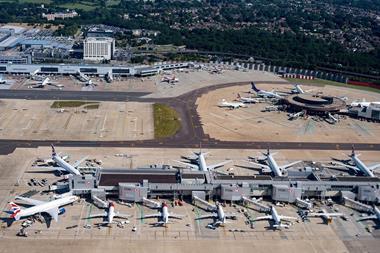
The expansion of Gatwick, which is currently the busiest single-runway airport in Europe, also promises tangible gains. By bringing its standby runway into regular operation, the airport will increase capacity in a practical and efficient way.
The majority of UK air cargo travels in the bellyhold of passenger aircraft, as we know, and this freight often determines whether a route is commercially viable.
High-value, time-sensitive goods such as pharmaceuticals, financial paperwork and specialist components are reliant on this space, making it an indispensable element of modern supply chains and one that many sectors are totally dependent on.
Increased passenger services at both Luton and Gatwick have the potential to drive additional cargo growth.
Some forecasts suggest that tonnage at Gatwick Airport could double when the new runway is operational, which will help tackle the shortage of freight capacity in the South East significantly. Greater connectivity will make international markets more accessible for British exporters and will reinforce the role of aviation in stimulating regional economies.
At the same time, the industry is undergoing rapid technological change. Airspace modernisation, advances in aircraft design and the adoption of sustainable aviation fuels are driving progress towards quieter and cleaner skies.
These innovations will ensure that these expansions support not only growth but also the wider environmental agenda.
There are still challenges to overcome, however. Airlines and airports often favour passenger services over freight due to the higher spend in terminals that increased passenger numbers can generate.
At Logistics UK’s recent Air Cargo Seminar, several participants called for a more favourable balance between passenger services and airfreight.
In addition, many operators described the continued pressure and restrictions they face on night flights, despite almost half of all the UK’s air cargo, by value, being carried at night.
To secure resilience in supply chains, freight must be considered at a regional level as part of an integrated system that balances passenger and cargo needs. Only then will the full benefits of the planned airport expansion programme be realised.