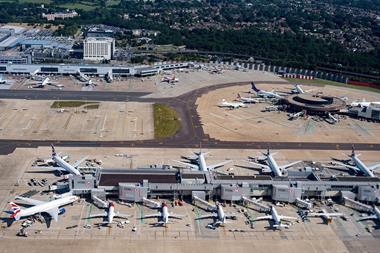



Gatwick's runway development could address critical air cargo capacity shortages in the south east of England, with belly cargo volumes potentially doubling
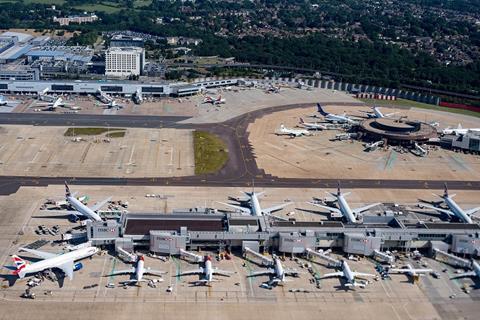
The UK government has approved Gatwick Airport’s plans to put its northern runway into regular use, which Logistics UK said will help boost air cargo trade.
In February, UK secretary of state for transport Heidi Alexander issued a “minded to approve” letter to Gatwick for its £2.2bn expansion plans which include utilising the northern runway, the second runway at the airport.
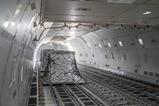
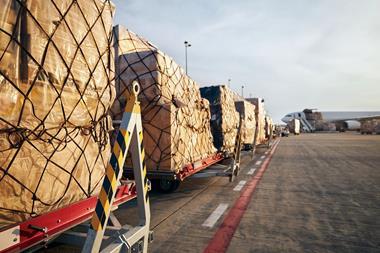
Now Alexander has given development consent for Gatwick's second runway plans and Logistics UK's senior policy manager, Alexandra Herdman has pointed out that two thirds of the UK’s air cargo moves in the bellyhold of passenger planes, so facilitating increased passenger services will also enable increased air cargo.
She added that belly cargo, often high-value, time-sensitive goods, boosts the profits of airlines and the economy.
Herdman said: “Gatwick is currently the busiest single runway airport in Europe and modifying the existing standby runway to develop a fully operational second runway, is a practical and efficient way to increase capacity.
“Almost two thirds of the UK’s air cargo moves in passenger aircraft, sitting underneath seats in the bellyhold, and can make the difference between a profitable and a non-profitable route for a passenger airline.
"This type of freight also tends to be high-value, time-sensitive goods such as manufacturing components and pharmaceuticals so is essential to keep the UK trading and supply chains moving.
“By increasing passenger services, it is highly likely this will also provide increased air cargo, with some reports suggesting air cargo tonnage could double, helping address the significant shortage of air cargo capacity in the South East and boosting the economy by making international connections for UK businesses even easier.
“It is also important to recognise that innovation in aviation is moving at pace. Airspace modernisation, aircraft design and sustainable aviation fuel mean the sector is moving towards cleaner and quieter skies while driving economic growth across the whole economy.”
Steve Parker, BIFA director general, also said: "The airport has become an increasingly important hub for air cargo and volumes are expected to climb sharply once the second runway is operational.
"Hopefully, the additional runway capacity will strengthen the airport’s position as a critical gateway for time-sensitive goods that move via aircraft."
Under the existing planning agreement, Gatwick’s northern runway is used only when the main runway is closed for maintenance or emergencies.
The Gatwick development will see the northern runway being moved further away from the main runway as the two cannot be used at the same time due to their proximity to each other.
Gatwick figures show the extra runway would bring in an additional 60,000 flights per year and boost cargo volumes to 161,500 tonnes by 2038 compared with 61,000 tonnes in 2023 (the latest full-year figures available) and more than double 2019 levels - its busiest year in terms of flight numbers.
Gatwick's work to support dual runway operations will include amendments to taxiways, terminal extensions, ancillary facilities, highways and rivers; as well as temporary construction works and mitigation works.
The development application was submitted to the Planning Inspectorate for consideration by Gatwick Airport on 6 July 2023 and accepted for examination on 3 August 2023.
Following an examination during which the public, statutory consultees and interested parties were given the opportunity to give evidence to the Examining Authority, recommendations were made to the Secretary of State on 27 November 2024.
Elsewhere in the UK, Heathrow Airport has submitted its proposals to the UK government for a third runway and Luton wants to add a new terminal.