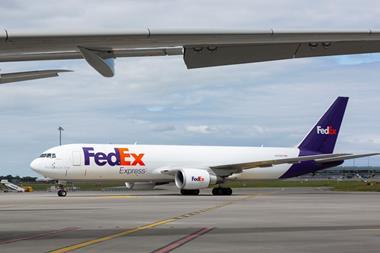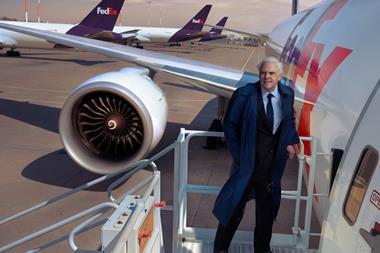


Neste will supply 8,800 metric tons (more than 3m gallons) of sustainable aviation fuel (SAF) to FedEx at Los Angeles International Airport (LAX).
This is the first major US SAF deployment by FedEx and will account for roughly a fifth of all jet fuel consumed annually by FedEx at LAX, stated a Neste press release.
This is also the largest SAF purchase by a US cargo airline at LAX to date.
Through this agreement, FedEx has purchased blended fuel from Neste that includes a minimum of 30% neat, i.e. unblended Neste 'MY Sustainable Aviation Fuel'.
Delivery of the fuel began in May 2025 and will continue for one year.
“Procuring SAF is an important component of our aviation emissions reduction strategy in the coming years, and we are pleased to have executed a deal with Neste to begin using this fuel in our air operations,” said Karen Blanks Ellis, chief sustainability officer and vice president of environmental affairs, FedEx.
“Our aviation network represents the largest amount of FedEx fuel use globally and, as a result, is our biggest opportunity to drive down emissions. As we work toward our goal of carbon-neutral operations by 2040, we need the SAF market to continue to grow to meet industry demand.”
Carl Nyberg, senior vice president, commercial, renewable products at Neste, added: “Neste is excited to work with FedEx and support their ambitious goal of reaching carbon-neutral operations by 2040 with our SAF.
"Recognising the important role of air cargo in the global economy, FedEx is demonstrating how this industry can leverage available lower-emission solutions like SAF to reduce its environmental impact. We look forward to further strengthening our cooperation."
Neste said its SAF reduces greenhouse gas emissions by up to 80% over the fuel’s life cycle, compared to using conventional jet fuel. The fuel is made from 100% renewable waste and residue raw materials, such as used cooking oil and animal fat waste.
SAF can currently be blended with fossil-based fuel in proportions of up to 50%.
Today, Neste’s global SAF production capability is 1.5m tons (around 515m gallons) a year.
Last month, IATA launched its SAF Registry to record SAF transactions in a standardised and transparent way and help enable a global market for SAF and support efforts to reach net-zero emissions by 2050.