
Forwarder secures synthetic fuel supply from 2027 under a five-year deal with Swiss WorldCargo, targeting supply chain emissions reduction

Photo: Scharfsinn/ Shutterstock
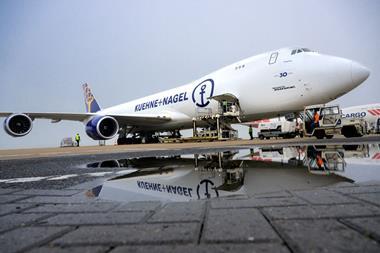
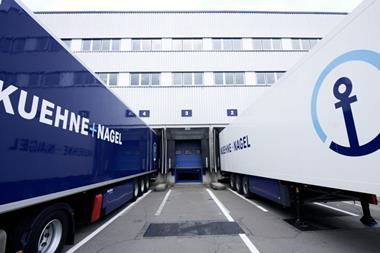
Kuehne+Nagel and Swiss International Air Lines are targeting emissions reduction in their supply chain operations through a new partnership.
The partnership will focus on technologies that improve efficiency and reduce environmental impact, including the use of sustainable aviation fuel (SAF) produced by synthetic fuel firm Synhelion.
The two companies have agreed on a long-term offtake agreement of SAF that provides Synhelion with planning security and drives innovation in the sector.
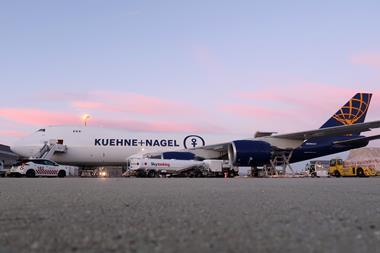
Starting in 2027, Kuehne+Nagel will purchase Synhelion SAF from Swiss under a five-year agreement for its cargo shipments by Swiss WorldCargo.
“To meet the aviation industry’s climate targets, we must scale the production of synthetic SAF. At Kuehne+Nagel, we are taking the lead by partnering with SWISS and Synhelion to accelerate these technologies, making them economically viable,” explains Yngve Ruud, member of the management board responsible for air logistics.
“With it, we can offer our customers the opportunity to reduce their environmental footprint with this innovative technology.”
Swiss chief executive Jens Fehlinger added: “Sustainable aviation fuels are a key building block for making air travel more sustainable. They remain scarce and costly—which is exactly why we need strong partners.
“We are pleased to be working with Kuehne+Nagel to implement the first commercial offtake of Synhelion’s fuel. This marks an important step forward and sends a clear signal that we intend to actively shape this path.”
SAF hit the headlines last week when airline association IATA complained that SAF production rates were falling short of expectations.
IATA said that SAF output would reach 1.9m tonnes this year, almost double the 1m tonnes produced in 2024.
However, the rate of growth is projected to slow in 2026, with output increasing by around 500,000 tonnes year on year to 2.4m tonnes.
IATA also pointed out that SAF production this year represented “only” 0.6% of total fuel consumption by airlines. Next year, the figure is expected to reach 0.8%.