
IATA says airlines face SAF prices up to five times conventional jet fuel as European mandates create supply bottlenecks

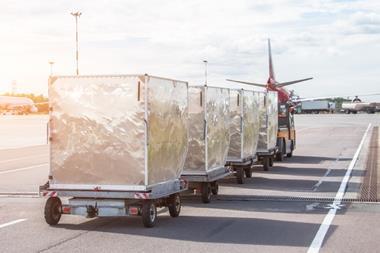
Photo: Scharfsinn/Shutterstock
Policy makers need to work more closely with airlines to ensure that mandates help increase the SAF production rates that currently fall short of expectations.
At its annual media day, IATA said that SAF output would reach 1.9m tonnes this year, almost double the 1m tonnes prroduced in 2024.
However, the rate of growth is projected to slow in 2026, with output increasing by around 500,000 tonnes year on year to 2.4m tonnes.
IATA also pointed out that SAF production this year represented “only” 0.6% of total fuel consumption by airlines. Next year, the figure is expected to reach 0.8%.
The airline association blamed the slow take-up rate on the high price of SAF compared with existing jet fuel and a lack of policy support.
Its figures show that SAF prices exceed fossil-based jet fuel by a factor of two and by up to a factor of five in mandated markets.
"SAF production growth fell short of expectations as poorly designed mandates stalled momentum in the fledgling SAF industry," said IATA director general Willie Walsh.
"If the goal of SAF mandates was to slow progress and increase prices, policymakers knocked it out of the park. But if the objective is to increase SAF production to further the decarbonisation of aviation, then they need to learn from failure and work with the airline industry to design incentives that will work."
IATA said that SAF mandates in the UK and EU had failed to accelerate the use of SAF and had further driven up costs.
"In Europe, ReFuelEU Aviation has sharply increased costs amid limited SAF capacity and oligopolistic supply chains," IATA said. "Fuel suppliers have widened their profit margins to such an extent that airlines pay up to five times more than the price of conventional jet fuel and double the market price of SAF.
"All this comes without guaranteeing supply or consistent documentation."
The association added that the UK's SAF mandate has "triggered price spikes". It added that airlines could reduce their own SAF targets as a result.
“Europe’s fragmented policies distort markets, slow investment, and undermine efforts to scale SAF production. Europe’s regulators must recognise that their approach is not working and urgently correct course. The recent European Commission STIP announcement is a step forward, though it lacks a clear timeline. Actions, not words, are what matter,” said Walsh.
“Regrettably, many airlines that have committed to use 10% SAF by 2030 will be forced to reevaluate these commitments. SAF is not being produced in sufficient amounts to enable these airlines to achieve their ambition. These commitments were made in good faith but simply cannot be delivered."