

Photo: Jaromir Chalabala/ Shutterstock
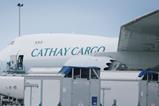
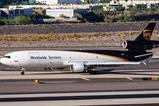
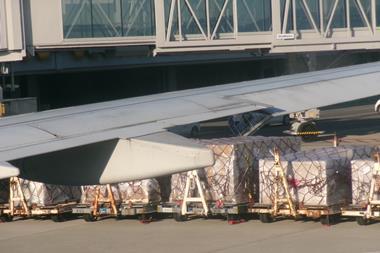
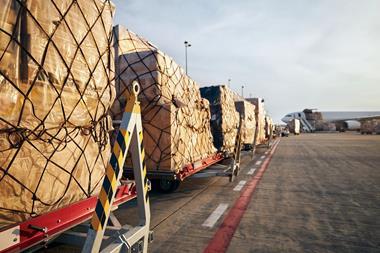
Asia Pacific airlines benefited from strong export demand in July as shippers continued to strategically avoid tariff-related fees.
Preliminary July 2025 traffic figures released by the Association of Asia Pacific Airlines (AAPA) show that international air cargo demand, as measured in freight tonne kilometres (FTK), recorded a 8.6% year-on-year increase in July. This was despite prevailing weakness in global trade flows, noted the AAPA.
"International air cargo demand remained resilient, buoyed by stronger export activity ahead of the implementation of US tariffs in early August," said the AAPA.
With offered freight capacity up by 6.4%, the average international freight load factor improved by 1.2 percentage points to 62.0%.
Speaking about the first seven months of the year, AAPA director general Subhas Menon said that "air cargo demand grew by 6.5% year on year, building on last year’s strong performance".
He added: "Inventory build-ups ahead of the introduction of tariffs by the US, along with the rerouting of shipments and diversification of sourcing, contributed to the growth in volumes, as businesses prioritised the speed and reliability afforded by air shipments.”
Looking ahead, Mr. Menon said "the implementation of tariffs is expected to add some uncertainty in air cargo markets, and could weigh on future demand".
He further stated: “On the cost side, the 15% year-to-date decline in jet fuel prices to an average of US$89 per barrel, together with the weaker US Dollar against some regional currencies, is helping to offset cost pressures arising from ongoing supply chain disruptions.
"Overall, Asian airlines remain focused on disciplined cost management while pursuing new revenue opportunities to support growth and sustain profitability.”
IATA's latest data shows Asia Pacific airlines saw demand grow 11.1% year on year in July, which was the strongest performance of all regions.