


Carrier plans to expand SmartIST terminal capacity to 4.5m tonnes annually by 2028 and launch a dedicated e-commerce facility in 2026
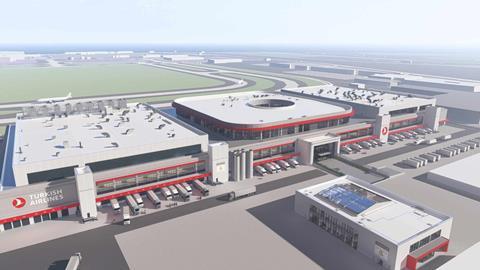
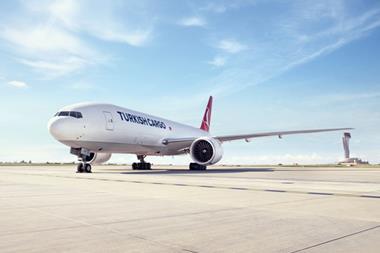
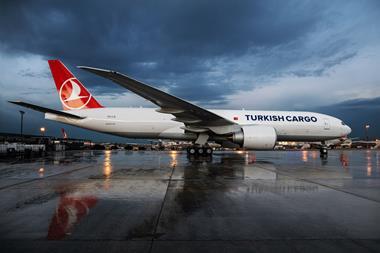
Turkish Airlines has announced the second phase of its SmartIST air cargo terminal and a new e-commerce facility to further support Turkish Cargo's business growth.
Air Cargo News published a news story on 2 January that detailed how Turkish reportedly planned to build a new cargo terminal, although the airline did not release details at the time.
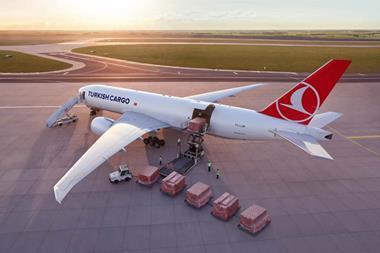
In a press release yesterday, Turkish said the next development stage of SmartIST will enable the terminal to reach an annual capacity of 4.5m tons. Work is planned to be completed gradually during the 2027-2028 period.
Inaugurated in February 2022, SmartIST currently has an annual handling capacity of 2.2m tonnes. The facility includes specialised facilities such as temperature-controlled cold storage zones, dedicated pharmaceutical areas and designated sections for hazardous and radioactive materials.
Turkish is also planning a new e-commerce complex that is planned to enter service this year. The airline said the facility would support its e-commerce door-to-door delivery service.
In 2023, the airline announced it would provide door-to-door cargo services via a new subsidiary, THY Hava Kargo Taşımacılığı A.Ş.
Established specifically for the needs of the e-commerce sector, THY offers integrated air cargo solutions for its corporate customers in the e-commerce logistics sector under the Widect brand.
Widect aims to maximise Türkiye's potential in the international express market with its wide flight network and direct connection opportunities.
Overall, Turkish has committed to building eight new facilities with a total investment value exceeding TRY100bn at several locations, primarily iGA Istanbul Airport.
Aside from the SmartIST Phase 2 project and the e-commerce facility, the company will invest in a new in-flight catering facility, a Turkish Technic engine maintenance centre, additional aircraft maintenance hangars to increase capability by an average of 20%, a data centre to improve technology capacity, a flight training centre, and an additional crew terminal building.
Commenting on the new investments, Turkish Airlines chairman of the board and the executive committee, Ahmet Bolat said: "In line with our 2033 targets, we are developing not only our fleet but also the robust infrastructure that will allow us to fully utilise this fleet.
"This investment initiative, exceeding TRY100bn and spanning from our cargo operations to our technical maintenance capacity, from our catering centers to integrated operational solutions, strengthens our global competitiveness and is a concrete evidence of our vision to make Türkiye one of the world's foremost aviation hubs.
"These investments, which will provide 26,000 new jobs in 2026, will increase to 36,000 when all phases are completed. With these steps, we are building not only facilities but also an ecosystem for the future of our country's economy and aviation sector.
"Today, our company's contribution to our country's economy is $65bn, and when we reach our 2033 goals, this figure will reach $144bn."