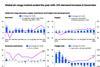


Trade body IATA has revealed that it expects a total of 69m tonnes of air cargo to be flown over the course of this calendar year.
This figure would be 0.6% up on 2024, but well below the previously projected volume of 72.5m tonnes.
The industry saw an 11.3% rate of growth in air cargo volumes last year.
Airlines’ cargo-based revenues are predicted to fall to $142bn this year, down 4.7% on the 2024 figure.
The forecast declines are based largely on the expected impact of reduced GDP growth resulting from what IATA described as “trade-dampening protectionist measures”, including tariffs.
Meanwhile, the cargo yield is also expected to fall, by 5.2%, in what IATA said will reflect slower growth in demand and lower oil prices.
Of course, there is still plenty of doubt as to what protectionist measures will be put in place and how they will impact global trade.
Conflicts such as the Russia – Ukraine war also have a major effect on airlines; any easing in the conflict would be good news for the aviation industry, including airfreight.
And IATA noted that, as of April this year, cargo demand was continuing to hold up well, there having been a 5.8% year-on-year increase in demand in that month.
Still flying more cargo
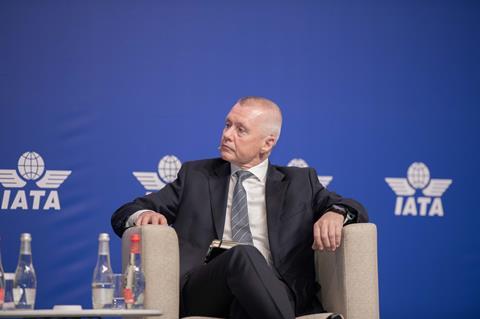
Willie Walsh, IATA’s director general, pointed out that the first half of 2025 “has brought significant uncertainties to global markets.
“Nonetheless, by many measures including net profits, it will still be a better year for airlines than 2024, although slightly below our previous projections.
“Moreover, we anticipate airlines flying more people and more cargo in 2025 than they did in 2024, even if previous demand projections have been dented by trade tensions and falls in consumer confidence,” Walsh added.
The news is also better for airline performance as a whole (when including passenger as well as cargo-related business).
While global GDP growth – a key driver of airline performance – is expected to fall from 3.3% in 2024 to 2.5% in 2025, airline profitability is nevertheless expected to improve, largely as the result of falling oil prices.
Aircraft backlog
According to IATA, the current aircraft backlog totals more than 17,000, with an implied wait time of 14 years.
In 2025, 1,692 aircraft are expected to be delivered. Although this would mark the highest level since 2018, it is almost 26% lower than estimates of a year ago.
Further downward revisions are likely, given that supply chain issues are expected to persist in 2025 and possibly to the end of the decade, IATA announced.
“Manufacturers continue to let their airline customers down,” Walsh said.
“Every airline is frustrated that these problems have persisted so long. And indications that it could take until the end of the decade to fix them are off-the-chart unacceptable!” he added.