




Baltic Exchange data shows Hong Kong-North America rates increased 6.3% month-on-month to $5.70 per kg in October, while Europe routes gained 4.1% to $4.59 per kg

Photo: Jaromir Chalabala/ Shutterstock
Airfreight rates out of Hong Kong were on the rise in October as US-China trade negotiations continued, but increases to Europe lagged behind improvements to North America.
The latest monthly statistics from the Baltic Exchange Airfreight Index, which uses TAC Index data based on spot and contract pricing, showed that average rates from Hong Kong to North America increased by 6.3% compared with September to $5.70 per kg.
While rates on the trade are still down 0.5% compared with October last year, the difference has narrowed from the year-on-year difference of 10.4% recorded in September.
Sources indicate that spot rates from Hong Kong to North have continued to increase in recent weeks.
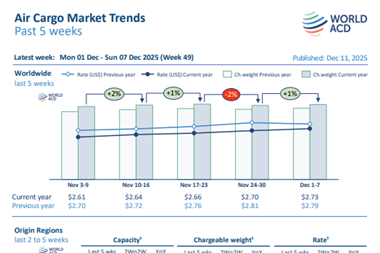
WorldACD has also recorded increases in spot rates out of China to the US in recent weeks, reasoning that ongoing trade negotiations between the US and China and potential tariff increases have resulted in demand increases.
"That most likely reflects pressure on capacity in part due to importers attempting to front-load cargo ahead of threatened new, higher US import tariffs on goods from China from next month – announced by the US on 10 October in response to restrictions by China on its ‘rare-earth’ exports,” WorldACD said in a recent market round up.
Rates also typically increase this time of year - peaking in December - as the market enters its traditional peak season.
Meanwhile, rates from Hong Kong to Europe have also been on rise in recent weeks. TAC Index data shows that rates in October increased by 4.1% compared with September to $4.59 per kg. Compared with last year, prices are down 5.9%.
While rates to Europe are up compared with September levels, the level of increase lags behind that experienced in recent years and perhaps reflects expectations of what contacts have said is expected to be a quieter peak season on the trade this year.
Earlier in the year, the market saw a shift of demand away from Asia to the US in favour of Europe due to the ongoing tariff dispute between Beijing and Washington, which may have led to high inventory levels and less need to ship goods for the peak season.