


Express operator absorbs $175m impact from MD-11F fleet grounding while reporting 6.8% revenue growth and reduced transpacific capacity

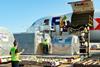
FedEx expects costs of up to $175m as a result of the grounding of its fleet of MD-11F aircraft following the fatal crash of a UPS aircraft in November.
Speaking during its fiscal second-quarter earnings call, FedEx president and chief executive Rajesh Subramaniam explained that following the grounding, the company had shifted volume to other types of aircraft within its owned fleet, added capacity via third-party lift and adjusted the timing of maintenance of its remaining fleet.
The carrier has also been utilising extra trucking capacity where feasible.
Subramaniam explained that 25 of the 34 MD-11Fs it owned were in operation at the time of the grounding. Of those in operation, 18 were being used on domestic operations, he said.
FedEx chief financial officer John Dietrich said that the company incurred costs of around $25m related to the grounding in November and a further $150m is expected during its third quarter, which includes much of the peak season.
”It’s an expensive time of year to be getting outsourced lift to begin with, let alone when you have fleet grounded,” explained Dietrich.
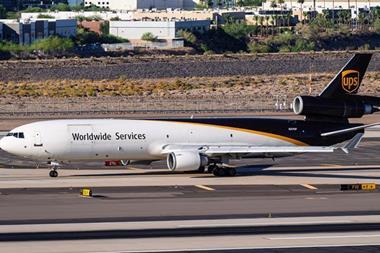
All MD-11F aircraft were grounded following the fatal crash of a UPS MD-11F after taking off from Louisville, US on 4 November.
The aircraft are expected to return to service during the company’s fourth quarter (March-May), said FedEx.
During the second quarter, the company saw revenues increase 6.8% year on year to $23.5bn, operating income improved 30.9% to $1.4bn and net income improved 25% to $956m despite “significant external headwinds”.
The improved operating results reflected the strength in US domestic and international priority package yields, continued structural cost reductions, and higher US domestic package volume.
Express performance was partially offset by the financial impact of global trade policy changes, higher wage rates and variable incentive compensation expenses, increased purchased transportation rates, and the grounding of the MD-11F aircraft fleet.
The express business also continued to adjust its fleet in line with US trade policy. FedEx reduced its own-operated transpacific Asia outbound capacity by about 25% year on year while third-party capacity was down by nearly 35%.
Some of its transpacific capacity was shifted to the Asia to Europe lane.
FedEx Freight segment operating results decreased during the quarter due to lower shipments, higher wage rates, and the hiring of additional dedicated sales professionals in preparation for the company's spin-off, partially offset by increased yield.