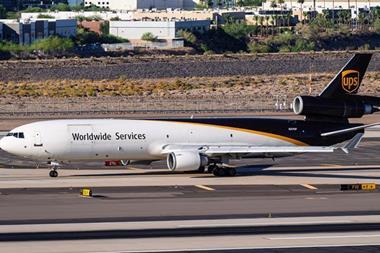





The express carrier reduced operational headcount by 34,000 positions and management roles by 14,000 this year, exceeding earlier projections of 20,000 cuts
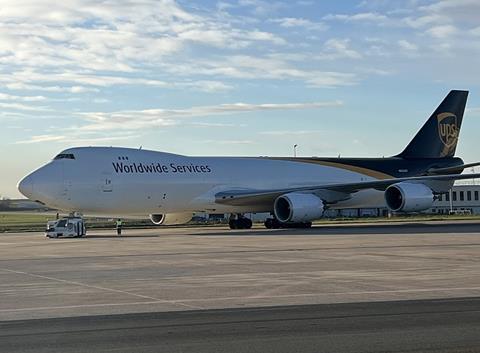
UPS has announced deeper-than-expected job cuts as third-quarter revenues and profits were down on last year’s levels, but beat investor expectations.
In announcing its third-quarter figures, the express firm said it had reduced operational headcount by some 34,000 positions this year, while management positions were down by 14,000.
Earlier this year, the company had said it would cut around 20,000 positions as a result of its decision to reduce its business with e-commerce platform Amazon and to improve profitability.
The company has also closed around 93 facilities, up from the 70 it had initially expected to close.
Over the first nine months, the company has saved around $2.2bn in costs as a result of its reorganisation efforts.
During the quarter, the company saw revenues decline 3.7% year on year to $21.4bn, operating profit was down 9.1% to $1.8bn and net income declined by 14.8% to $1.3bn.
The results included transformation costs of around $250m, the company pointed out.
However, despite the declines, the company’s share price increased as performance was better than expected.
Looking ahead to the peak season, chief executive Carol Tome said she was expecting a busy few months, although she cautioned that UPS volumes would be affected by its Amazon reduction.
"Our top 100 customers drive about 80% of our peak surge each year, and we expect that to be the case again this year,” she said. "Early forecasts from these customers suggest they are planning for a good peak that will result in a considerable surge in volume from our current volume levels.
"But remember that given the Amazon glide-down plan, we expect total peak average daily volume in the US to be down year-over-year. Operationally, we’re poised to deliver a strong peak season.”
Elsewhere, Tome also highlighted increased complexity as a result of the end of the de minimis exemption.
She said that before the end of the exemption, in March, the company had around 13,000 packages that came into the US every day that required some sort of dutiable clearance. In September, that had risen to 112,000 packages a day.