



Airfreight networks continue adjusting to regulatory changes as the small parcel model shifts toward consolidated shipments

Freight forwarders based in the US are reporting rising costs as a result of a rising compliance challenge caused by the US decision to end the de minimis exemption earlier this year.
Speaking at the International Federation of Freight Forwarders Associations (FIATA) World Congress, US Airforwarders Association (AfA) executive director Brandon Fried said that airfreight networks are still adjusting to the new way of operating.
Previously, low-value packages entering the US were imported duty-free and with minimal customs scrutiny under the de minimis exemption. However, this was removed for China and Hong Kong in May and the rest of the world in August.
Fried said that as a result, AfA members were reporting ”higher duties, longer cycle times, and greater complexity in returns management”.
The small parcel model was giving way to larger consolidated shipments, he explained.
“The industry has moved overnight from light-touch clearance to full formal entry,” elaborated Fried.
“We are seeing fewer parcels but larger, better-documented shipments. Fraud has dropped, but working-capital and compliance burdens have climbed sharply. Realignment is far from finished.”
Fried said forwarders should consolidate smartly and invest in master data and tariff governance. Returns should run through Free Trade Zones or Inward Processing Relief schemes.
He added that forwarders should ”address duty cash-flow early and strengthen visibility across purchase orders to manage the post-de-minimis environment effectively”.
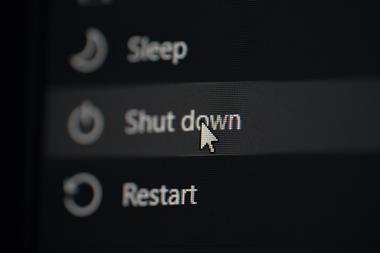
US forwarders are facing a challenging environment at present. In addition to adjusting to a changing regulatory environment, they are also facing the impact of the shutdown of the US federal government.
Air traffic control operations are under pressure and federal aviation staff are affected by the shutdown. As a result, there is a real risk of delays, disruptions, and added costs across the supply chain, the AfA said.
According to reports, US airport operations are already facing operational delays.