


Air cargo is grappling with increasingly complex compliance requirements as governments respond to emerging security risks and chop and change tariffs.
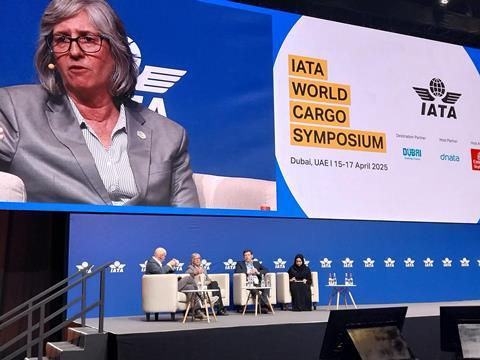
Speaking on a panel moderated by James Van Epps, managing director for cargo security, customs & facilitation, Airlines for America, speakers described compliance as a “tremendous challenge”.
They highlighted the spate of new data elements required by governments following incendiary devices being found in DHL’s network in the UK and Germany last year.
Meanwhile, constantly changing tariff requirements in the US are also driving up complexity.
The rising volumes of e-commerce also present challenges.
Kale Logistics Solutions vice president Donna Mullins said: “From a compliance standpoint it has been very difficult to keep up with changes and I know that changes that happen in the US create changes across the globe.
“The only thing we can really do is go back to our foundation, look at your regulations and see how any of these new changes are going to affect the way you are doing business.”
Mullins pointed out that there was previously one tariff number for a particular product and now there are five following new 301 and 232 duties in the US.
Meanwhile, the number of shipment data elements required for a shipment heading to the US has increased from seven to 20.
“That is a horrendous challenge to try and keep up with from a compliance standpoint. Programmers may have programmed one thing this morning for one particular thing and by the afternoon it may have changed.”
Michael Duggan, Oman Air’s head of cargo, agreed that compliance is becoming increasingly complex and added that airlines were often caught in the middle as they rely on the correct and complete shipment data being supplied by the beneficial cargo owners (BCOs).
“Customs from an airline perspective is very frustrating,” he said. “We are in the middle of this, we are a trunk carrier, airport to airport, and we do not have a lot of control over what cargo is being tendered to us.”
He explained that when a shipment is held up by customs, the airlines face the challenge of having to try to obtain the correct information to get the shipment released.
“We should be able to find ways of dealing with this, whether it is through artificial intelligence (Ai), machine learning or improved technologies around documentation and digitalisation.
“I don’t see it as an insurmountable problem, but we need to work together with all the different stakeholders.”
Fatema Sultan Salem Alzaabi of the UAE Federal Authority for Identity, Citizenship, Customs & Port Security said that when it implements new rules it adopts a phased approach so trials and testing can be carried out.
It also runs industry workshops and works closely with industry to minimise any impact.
Duggan added that it was important to involve BCOs in the process as they are often the ones that supply the shipment information so need to be kept in the loop.