



China, Japan and India are emerging as primary growth targets for European exporters while UK, Germany and France are driving Asia Pacific expansion plans
Small and medium-sized businesses (SMEs) are confident about Asia-Europe trade, according to a new survey carried out by FedEx.
The survey revealed that 87% of European SMEs trading with Asia Pacific expect exports to rise or remain strong, while 85% of Asia Pacific SMEs are planning to begin or expand trade with Europe within the next 12-24 months, driven by growing consumer demand and stronger logistics connections.
Conducted in September 2025, the survey polled over 1,200 SMEs across nine European markets, and 850 SMEs across 13 Asia Pacific markets, exploring business sentiment, readiness, and challenges for cross‑border expansion — both for APAC firms entering Europe and European firms trading internationally and pursuing opportunities in Asia Pacific.
For European SMEs looking to grow, China (55%), Japan (36%), and India (26%) are seen as the biggest opportunities.
76% of Asia Pacific SMEs reported increased export volumes in the last year, with the UK (42%), Germany (40%), and France (38%) emerging as the top three markets driving business growth.
Asia Pacific SME growth plans have been driven by heightened European demand, improved price competitiveness and a need to diversify market strategy to build greater resilience in the face of a shifting trade landscape, said FedEx.
In Europe, internationally trading Turkish SMEs have the highest proportion of their customers in Asia Pacific, with more than one in 10 (12%) coming from this region. They are followed by SMEs in Belgium (8.5%), the Netherlands (7.6%), France (7%), Italy (5.7%), Poland (5%), Germany (4.4%), the UK (4.3%), and Spain (3.6%).
Looking toward 2026, China (55%) is overwhelmingly seen as the Asia Pacific market offering the best opportunities to grow for European SMEs, followed by Japan (36%), India (26%), and South Korea (24%).
Strategic expansion prospects, comprehensive logistics solutions, and favourable trade agreements were cited as critical factors in supporting increased trade with Asia Pacific.
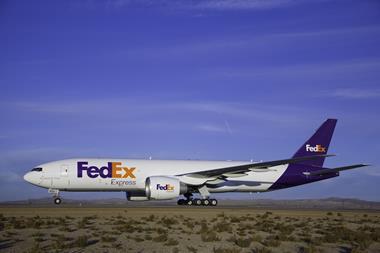
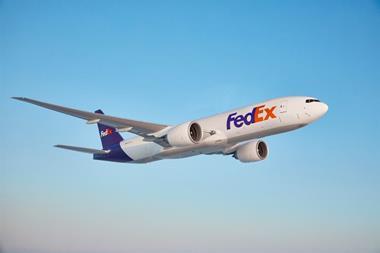
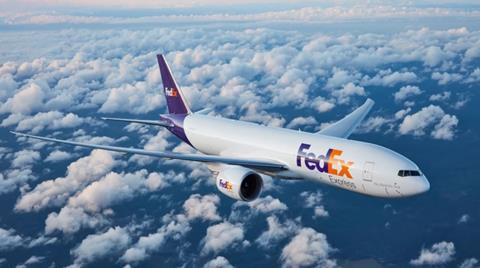
FedEx now operates 26 weekly flights connecting Europe to Asia Pacific. The carrier recently added five extra flights per week from Asia Pacific to its European hub at Paris CDG Airport in response to growing demand on the lane.
Apart from the Asia Pacific region, the US (48%) and the Middle East (34%) are the top intercontinental regions with which Europe’s SMEs are trading. The top European market trading with the US was the UK, while for the Middle East and APAC it was Turkey.
However, despite enthusiasm for cross‑border expansion, challenges remain. Regulatory shifts, complex customs procedures, and global market volatility emerged as key concerns, with 86% of Asia Pacific SMEs and 78% of European SMEs reporting that these factors impact their ability to conduct business.
“It’s clear that the Europe-APAC trade lane represents huge opportunities for SMEs across both regions,” said Wouter Roels, European president at FedEx.
“This study also confirms that factors like support with trade complexity and supply chain visibility are critical to realising the full potential of the Europe-APAC corridor.
"With our physical networks and our vast amount of supply chain data, FedEx is ready to translate these opportunities into growth for our customers.”
As SMEs look for cross-border expansion, 30% of Asia Pacific and 41% of European businesses are calling for innovative digital tools to improve supply chain visibility, streamline shipping, and reduce delivery times.
Meanwhile, 27% of Asia Pacific and 41% of European SMEs are also seeking greater customs expertise to navigate shifting regulations, avoid delays, and manage costs effectively.