



US shippers are facing higher supply chain costs as transportation providers reduce their service offerings in the face of shifting trade policies, according to the Airforwarders Association (AfA).
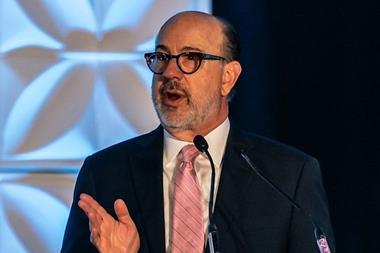
AfA executive director Brandon Fried said that shippers are having to switch to more expensive transport options as a result of route changes as transport companies respond to evolving trade policy.
These higher costs will ultimately flow through to consumers in the US, Fried said.
“While the pandemic taught us the importance of supply chain agility, the current environment of shifting trade policies, tariffs, and regulatory changes has left shippers with fewer choices for moving goods,” said Fried.
“When carriers or routes are no longer viable, shippers must pivot quickly, often to more expensive alternatives.
“Airfreight continues to offer flexibility in times of disruption, but the broader freight network is showing signs of strain.”
Fried pointed to statistics from the US Department of Transportation that showed a 0.5% year-on-year decline driven by reductions in rail intermodal, rail carload, and trucking volumes.
Meanwhile, airfreight registered a “modest increase”.
“Our members remain committed to finding solutions that keep goods moving efficiently, even in a marketplace with fewer and more expensive transportation options,” concluded Fried.
In a recent column for Air Cargo News, Fried outlined the challenges faced by air cargo as a result of shifting trade policies.
”The global economic uncertainties and persistent trade tensions have undeniably contributed to a slight softening in volumes for some forwarders,” he said.
“The once-predictable peak seasons have become more diffuse, and businesses are carefully recalibrating their supply chains in response to an unpredictable tariff environment.
“However, what is equally evident, and perhaps more indicative of our industry’s inherent dynamism, is a significant shift in where this volume is originating. This rebalancing act, while challenging, is opening new corridors of opportunity and demanding greater agility from all stakeholders.”