



Source: Shutterstock
China and the US have agreed to extend their tariff truce for another 90 days, avoiding the addition of levies of more than 100%.
The move means that the US will continue to apply the 20% tariff rate it introduced earlier in the year related to the fentanyl crisis as well as a 10% rate introduced later on in 2025, while China will apply a 10% rate.
The tariff suspension is due to run until 10 November, which should give companies time to import goods by ocean ahead of the Christmas period.
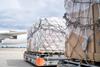
The new deadline may also continue the front loading trend that has this year benefitted the air cargo industry as companies looked to quickly move shipments ahead of tariffs.
In July, for instance, figures from data firm Xeneta show that global air cargo volumes unexpectedly climbed 5% year on year as frontloading continued and more shippers opted to send their goods by air to avoid the impact of a series of US tariffs due to begin in August.
Chief airfreight officer, Niall van de Wouw, said: ”Air cargo is piggybacking on the chaos being caused by tariffs. While the growth in July will come as a pleasant surprise to many, this growth is not a consequence of increased trade. It is a sign of the creative ways companies are trying to circumvent the higher costs of tariffs.”
However, “the piggybacking will stop”, he warned. “Economists agree this climate is not good for anyone and, sooner or later, something must give, and demand will fall.
“How long it will be before reality kicks in is hard to assess because this is one massive political dance. In the meantime, air cargo stands to benefit.”
When the deadline expires, US tariffs on goods from China are set to increase to 145%, while Chinese tariffs on US goods will hit 125%. Commentators have said rates at this level would essentially amount to a trade embargo between the two countries.
The White House said the suspension was ”necessary to facilitate ongoing and productive discussion with China about remedying trade imbalances, unfair trade practices, expanding market access for American exports, and aligning with the US on national security and economic matters”.
“The US and China are committed to ongoing negotiations to resolve trade disputes and strengthen economic ties,” the White House added.